
Don’t underestimate drive times. Savannah is small, but not always quick.
Savannah is one of those cities that looks easy on a map. Distances are short, everything feels connected, and it’s tempting to assume getting anywhere will be quick.
But daily life here tells a slightly different story.
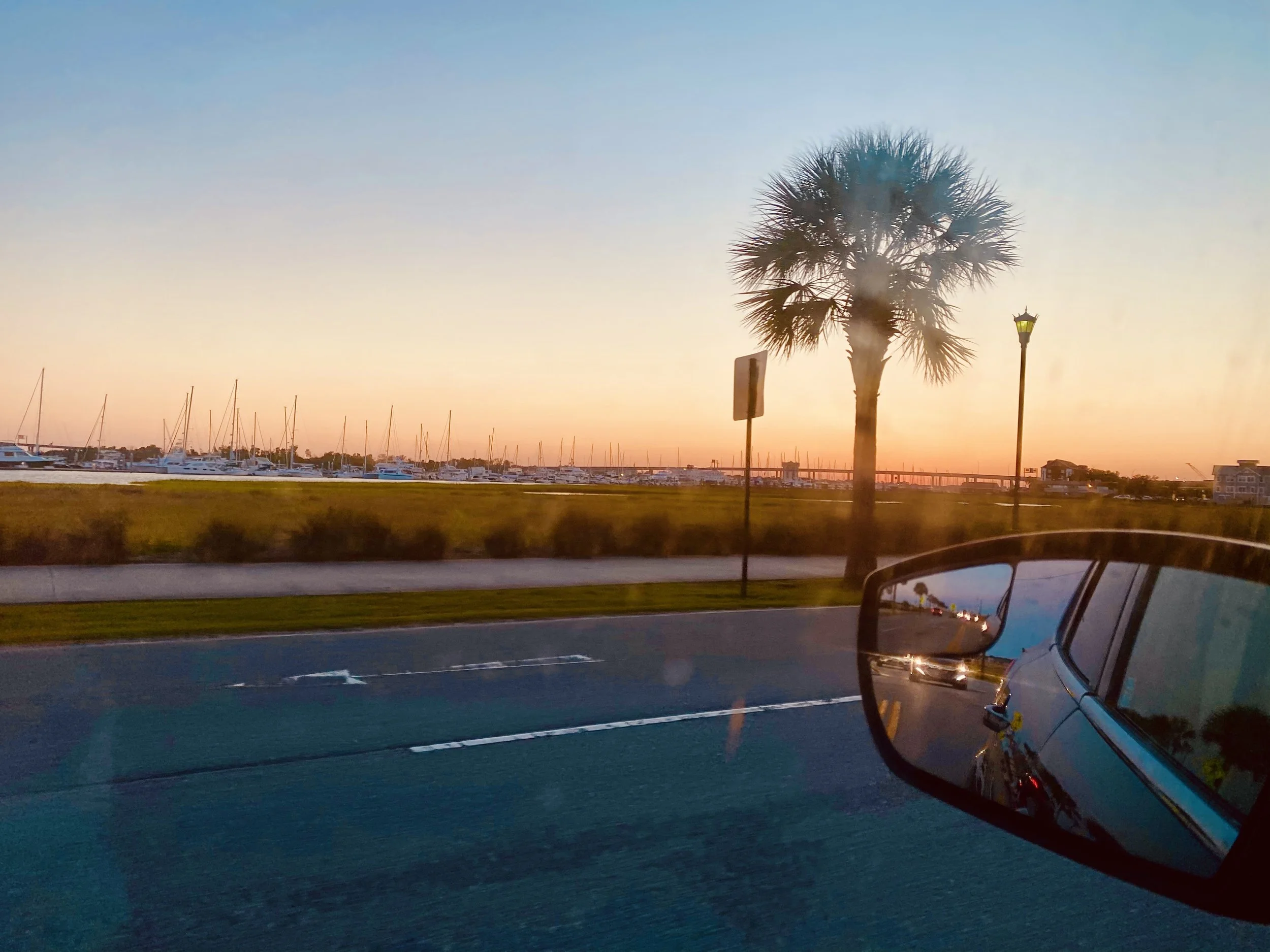
Traffic from Savannah to Tybee Island can require advance planning.
What’s Actually Happening
Our road network is limited and linear, and there are only so many main routes that connect everything.
Water, marsh, and historic planning mean you can’t always take the most direct path. You can look across the water and see a neighborhood that would take you 20 minutes to drive to. (But 5 minute by boat!)
A lot of traffic funnels through just a few key corridors like Truman Parkway, Victory Drive, and Abercorn St. These roadways can get very congested at peak traffic hours.
And then there’s seasonality, tourism, events, and beach traffic can shift your timing as well.
What That Feels Like in Real Life
A drive that should take 15 minutes can turn into 25–30 during peak hours. Ask me, who moved just two miles, but added 10 - 15 minutes to every drive because of two specific intersections now on my route.
Heading toward Tybee Island on a Saturday in summer? Plan ahead, check traffic or go early. Early is better for parking anyway ;)
Downtown isn’t just about distance, it’s about pace (pedestrians, stop signs, tours, deliveries… all part of the rhythm). Thursday and Friday afternoons during peak tourism season, it’s going to be challenging driving down Liberty and Oglethorpe through the Historic District.
Why This Matters When You’re Choosing Where to Live
This is where I see relocators get caught off guard; not because traffic is “bad,” but because it’s different than expected.
Living 10 miles out might feel quick on paper… but how does that drive feel at 8:30am or 5:30pm?
Or maybe you’re used to traffic in a city like Atlanta, and thinking, “20 minutes to drive to Tybee?! I could live there; it takes me 20 minutes to drive 2 miles now.” The pace and distance feels much different when you are driving for a solid 20 minutes vs. sitting in traffic for 20 minutes.
A neighborhood that looks “close” to downtown may still require a few stoplights, turns, or bottlenecks. Certain interactions can get very congested at certain times of day.
And sometimes, being slightly closer can completely change your daily experience. (Ask me again about my two mile move.)
The Local Perspective
Most people here don’t measure distance in miles; we measure it in time of day and route.
And once you learn the rhythm, it becomes second nature:
When to take Truman over Skidaway Rd.
Should you take Victory Dr. Liberty or Bay St for the fastest East to West across town.
When to avoid certain corridors, or know the back roads to detour around them.
When it’s worth leaving 15 minutes earlier for a smoother start to your day.
A Thought to Leave You With
Savannah is not a rush-hour city in the traditional sense, it’s a flow city.
When you understand the flow, everything feels easier. And when you don’t, it can feel surprisingly slow.
If you’re planning a move, this is one of the first things I like to map out with clients—not just where you want to live, but how you want your days to feel getting there.